Operation theatre and anaesthesia technology syllabus in Bihar
The syllabus for Operation Theatre and Anaesthesia Technology courses in Bihar covers a comprehensive range of subjects, including theoretical knowledge, practical skills, and clinical exposure. The specific curriculum may vary slightly depending on the institution and whether it's a diploma (DOTT) or a bachelor's (B.Sc. OTAT) course. However, some core subjects are common to most programs:
Core subjects
Anatomy and Physiology: Detailed study of the human body's structure and how its systems function, including the cardiovascular, respiratory, nervous, and excretory systems.
Biochemistry: Understanding the chemical processes within the body, including metabolism and common biochemical examinations.
Microbiology: Introduction to common pathogens, bacterial and viral disorders, infection control practices, sterilization techniques, and biohazards.
Pharmacology: Study of drugs used in anaesthesia, including anaesthetic agents, muscle relaxants, analgesics, and intravenous fluids.
Pathology: Introduction to general pathology (infective, neoplastic, cystic, degenerative, metabolic, and endocrine disorders) and systemic pathology (cardiovascular, respiratory, gastrointestinal, hepatobiliary, excretory, and reproductive systems).
Principles of Surgery: Basic surgical procedures, instrumentation, aseptic techniques, and handling of surgical instruments and equipment.
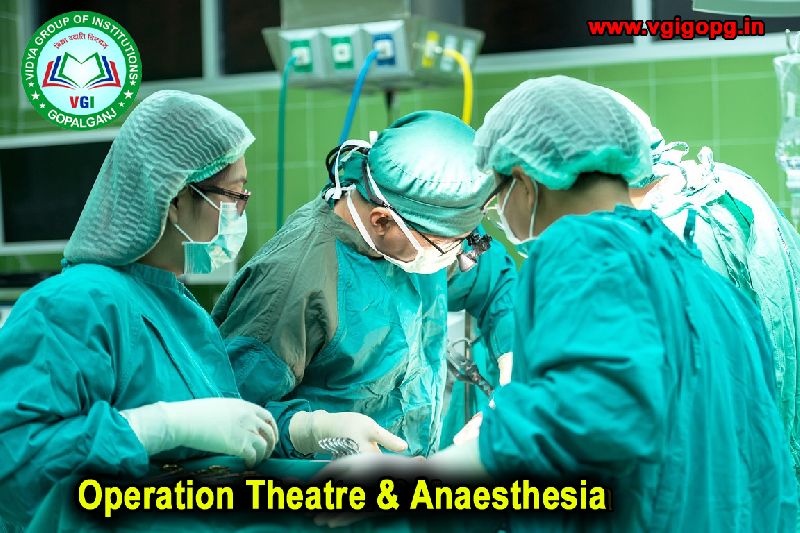
Anaesthesia Techniques: Principles of general, regional, and local anaesthesia, including the use of anaesthesia machines, ventilators, and airway management techniques like endotracheal intubation.
Operation Theatre Management: Sterilization procedures, handling and maintenance of instruments, cleaning and disinfection protocols, and bio-medical waste management.
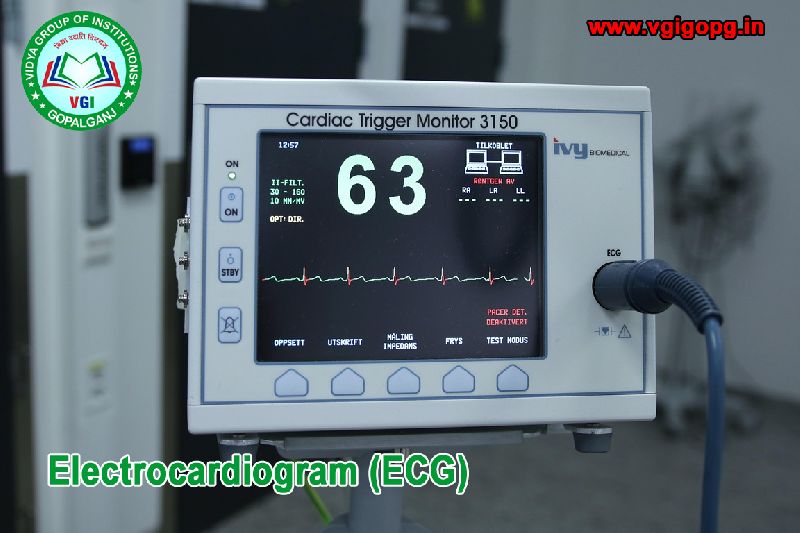
Patient Care: Pre and post-operative patient assessment, preparation, monitoring (including ECG, NIBP, pulse oximetry, capnography), and positioning during surgery.
Emergency Medicine and CPR: Cardiopulmonary resuscitation (CPR) techniques, emergency drugs, and critical care management.
Medical Ethics and Record Keeping: Professional ethics, confidentiality, informed consent, medico-legal aspects, and maintaining medical records.
Practical training and clinical rotations
In addition to theoretical classes, students also undergo practical training in setting up anaesthesia machines, preparing drugs, assisting in anaesthesia administration, performing patient monitoring, and practicing sterilization techniques. They also receive clinical rotations in various surgical departments to gain real-world experience.
Example syllabus structure (diploma - two-year program)
1st year
Anatomy
Physiology
Biochemistry
Pharmacology
Pathology
Microbiology
Principles of Surgery
Sterilization, Disinfection, and Waste Disposal
Basics of Anaesthesia & CPR
Computer and Data Processing
Practical training in General Surgery Operating Theatres
Monitors, Pulse Oximeters, Syringe and Infusion Pumps
Ventilators and critical care related matters
Special Surgeries (Gynaecology & Obstetrics, Orthopaedic Surgery, Urology, etc.)
Practical training in various medical specialties
1. Educational qualifications
10+2 with Science stream: Candidates must have successfully completed their 10+2 (or equivalent) examination from a recognized board, with Physics, Chemistry, and Biology as core subjects.
Minimum Marks: A minimum aggregate score in 10+2 is usually required. This typically falls within the range of 45% - 60% in the Science subjects (PCB), depending on the institution and category (e.g., 50% for general category, 45% for SC/ST/OBC students).
2. Age limit
Minimum Age: Candidates must be at least 17 years of age at the time of admission.
Maximum Age: The maximum age limit can vary, with some institutions not specifying one. However, some recruitments or programs may have an upper age limit (e.g., 32 years or 40 years).
3. Admission process
Merit-Based: Many institutions base admission on the marks obtained in the 10+2 examinations.
Interviews: Shortlisted candidates may be called for counseling or personal interviews as part of the admission process.